
 +923015016898
 supremeshilajit@gmail.com

Blog
Olive Oil and Leaf Tea: Natural Support for Heart, Diabetes, and Cancer

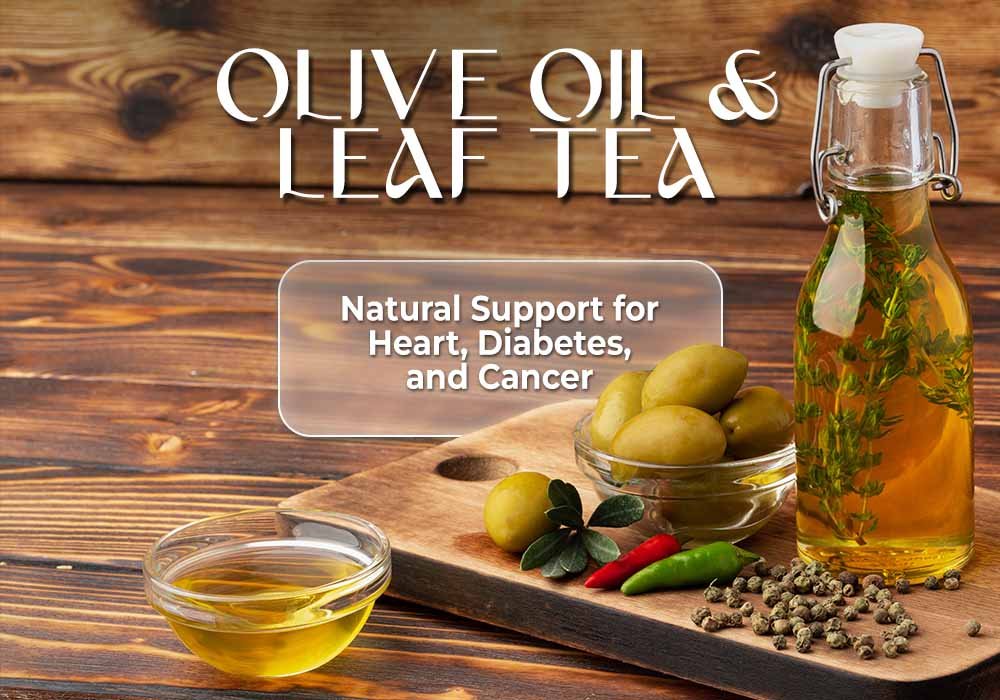
Certain foods quietly become part of our lives without us even noticing, especially when we discover the real benefits of olive. We reach for them while cooking, we pour them over salads, we use them for skincare, or we’ve grown up watching our parents use them every single day. Olive oil is one of those familiar, reliable, and surprisingly powerful foods.
What’s funny is that many of us use olive oil almost daily without knowing its full story. Where did it come from? Why is it so praised? And why do doctors, nutritionists, and even grandparents keep telling us to include it in our meals?
Let’s take a friendly walk through the world of olives, their roots, their uses, their flavors, and why both olive oil and olive leaf tea are becoming some of the most trusted natural options for supporting the heart, managing diabetes, and even offering protective benefits against cancer, much like how Supreme Shilajit is valued for its powerful health-supporting properties..
Where the Olive Story Begins
Before olive oil ever touched a salad bowl or frying pan, it grew from the rugged branches of ancient olive trees that date back more than 6,000 years. These trees first grew in the warm, sunlit regions of what we now know as Turkey, Syria, and Greece.
People living in those areas treated olive trees almost like treasures. They used the leaves for healing, the fruit for food, and the oil for everything from cooking to skin care to religious rituals. Some olive trees lived for hundreds of years, becoming part of family histories.
As the world expanded, so did olives. They traveled to Spain, Italy, Morocco, Tunisia, the Middle East, and eventually to the Americas and Australia. Today, Spain produces the largest share of the world’s olive oil, but every region gives its oil a slightly different flavor and character.
Where We Use Olives Today
Even if you don’t live in the Mediterranean, chances are you’ve used or tasted olives in one form or another. They appear in everyday moments:
- You drizzle olive oil on a salad without thinking twice.
- You pick up a bowl of black olives while watching TV.
- You add green olive slices to pizza or sandwiches.
- You’ve probably enjoyed a cold pasta salad tossed in extra virgin olive oil.
- You might have read or checked Olive Garden salad nutrition facts when choosing a meal out.
And beyond food, olives have also found their place in beauty routines, wellness practices, and even modern natural medicine.
Essential Olive Facts and the Benefits of Olive at a Glance
Category | Highlights | Why It Helps |
Black olives | Soft, ripe, mild flavor | Good fats for heart & skin |
Green olives | Firm, tangy, harvested early | Rich antioxidants |
Extra virgin olive oil | Purest, cold-pressed | Powerful anti-inflammatory |
Calories in olive oil | 119 per tablespoon | Healthy energy source |
Types of olive oil | EVOO, virgin, pure, pomace | Helps choose the right one |
Olive & cocoa | Supplement blend | High antioxidants |
Olive Garden salad nutrition facts | Low-cal option | Supports weight control |
Understanding the Types of Olive Oil (in Normal People’s Language)
You’ve probably noticed different bottles in stores, each with different labels. Picking one can feel confusing, so here’s the simple, human explanation:
Extra Virgin Olive Oil (EVOO)
This is the “cream of the crop.”
It’s made by cold-pressing fresh olives—no chemicals, no heat, just pure goodness. If you are concerned about heart health, flavor, and antioxidants, this is the one.
Virgin Olive Oil
Quite natural but a little less exquisite in flavor compared to EVOO.
Pure or Refined Olive Oil
This one is lighter in taste and is used more for cooking at higher temperatures.
Olive Pomace Oil
Made from the leftovers of the olive after pressing. It’s heavily refined and not perfect if you’re seeking health performance.
Black Olives vs Green Olive; Not as Different as You Think
When people see black olives and green olive varieties, they often anticipate that they come from different trees. But surprisingly, they don’t.
The only change is when they’re collected.
Green Olive
- Harvest earlier
- A bit bitter and harder
- Loaded with antioxidants
Black Olives
- Left to mature for a long time
- Softer and flavorful
- Full of healthy fats
Both are healthy, but they bring different tastes and nutrients to your meals.
What Makes Black Olives Nutrition So Impressive?
If you could peek inside a black olives nutrition chart, you’d find:
- Vitamin E for skin
- Iron for energy
- Fiber for digestion
- Calcium for bones
- Healthy fats for the heart
- Antioxidants that calm inflammation
They may be small, but they’re nutrient-packed.
Are Calories in an Olive Oil Something to Worry About?
Here’s the truth: yes, calories in olive oil are high. A tablespoon has about 119 calories.
But…
These are good calories.
They come from healthy fats that your body actually needs. These fats support your
- Heart
- Brain
- Hormones
- Joints
- Skin
So instead of avoiding these calories, think of them as fuel.
Benefits of the Olive Oil (Explained Simply)
The benefits of the olive oil are the reason doctors recommend it so often. Here are a few explained in everyday language:
1. It’s a heart protector.
Olive oil lowers bad cholesterol and keeps your arteries flexible.
2. It supports people with diabetes.
It helps keep blood sugar levels steadier.
3. It may reduce cancer risk.
Powerful antioxidants protect your cells from damage.
4. It’s good for your brain.
Healthy fats improve memory and concentration.
5. It boosts your immune system.
It helps your body fight inflammation.
6. It keeps your skin and hair looking fresh.
Vitamin E gives a natural glow.
7. It helps your digestion.
A little oil can help keep things moving smoothly.
Olive Leaf Tea: A Forgotten Treasure
While most people only know the fruit, olive leaves are just as special. Olive leaf tea is full of a powerful compound called oleuropein—one of the strongest natural antioxidants.
It helps:
- Lower blood pressure
- Reduce inflammation
- Support immunity
- Protect the heart
- Stabilize blood sugar
- Improve circulation
- Prevent oxidative stress
A warm cup of olive leaf tea feels soothing and healing at the same time.
The Rising Trend of Olive & Cocoa
The wellness world loves the combination of olive & cocoa because together, they create a powerhouse of antioxidants. This blend is often used in supplements to:
- Boost energy
- Improve brain focus
- Reduce inflammation
- Support the heart
It’s a unique pairing—but surprisingly effective.
Olive Garden Salad Nutrition Facts
Even popular restaurant foods now highlight healthier ingredients. Based on Olive Garden salad nutrition facts, one serving of salad:
- Contains about 70–90 calories without dressing
- Provides fiber and vitamins
- Becomes much healthier when topped with extra virgin olive oil
It’s a simple and refreshing meal for anyone watching their weight.
Why Olive Oil and Olive Leaf Tea Support Heart, Diabetes, and Cancer Health
1. For the Heart
They improve cholesterol levels, relax blood vessels, and reduce plaque buildup.
2. For Diabetes
They regulate sugar absorption and prevent sudden spikes.
3. For Cancer Prevention
Their polyphenols fight cell damage and inflammation—two major factors in cancer development.
Who Should Use Olive Oil?
Almost all, especially:
- Diabetics
- People with high cholesterol levels
- Those with swelling or soreness
- Golden-agers
- Athletes
- People who desire healthy, rosy skin
Who Should Be Careful?
Only a couple of:
- People with gallbladder issues
- People on extremely fat-free diets
- (On rare occasions) Anyone allergic to olives
Olive oil is risk-free and advantageous for most.
Who Should Be Careful?
Q1: Can I use olive oil on a carnivore diet?
Q2: Is olive oil essential in the Mediterranean diet?
Final Thoughts
Sometimes the simplest nutrients are the most muscular. Olive oil, black olives, green olive, and even olive leaf tea are unaltered giving from nature that help support contemporary health in the most earthy way possible.
Whether you splash extra virgin olive oil on vegetables, snack on olives, enjoy a salad, or drink warm olive leaf tea, you’re giving your body something genuinely precious, sustenance that has stood the test of time. Olive oil doesn’t just feed the body—it connects generations. Or we must say using it is like carrying a piece of history into your kitchen.